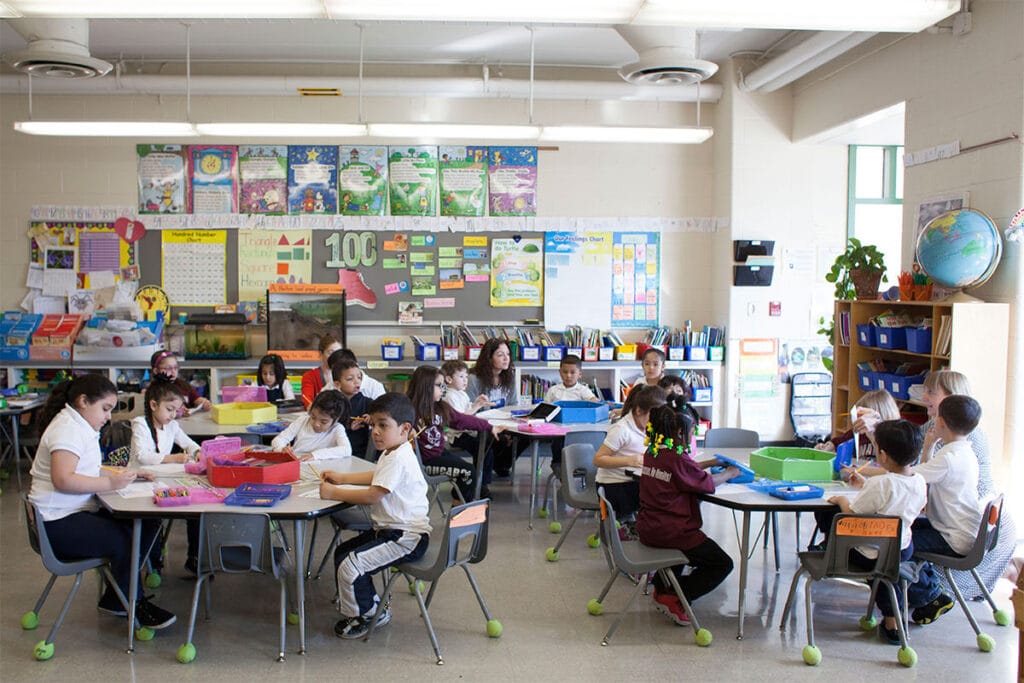
Inclusive Classroom Practices for Students With Disabilities

Every student deserves the opportunity to learn, participate, and feel valued at school. However, students with disabilities may encounter barriers that make classroom learning more difficult, including inaccessible materials, inflexible teaching methods, communication challenges, sensory distractions, and activities that offer only one way to participate. Inclusive classroom practices help teachers identify and reduce these barriers so that students with different… Continue reading Inclusive Classroom Practices for Students With Disabilities
How to Build Strong Parent-Teacher Partnerships

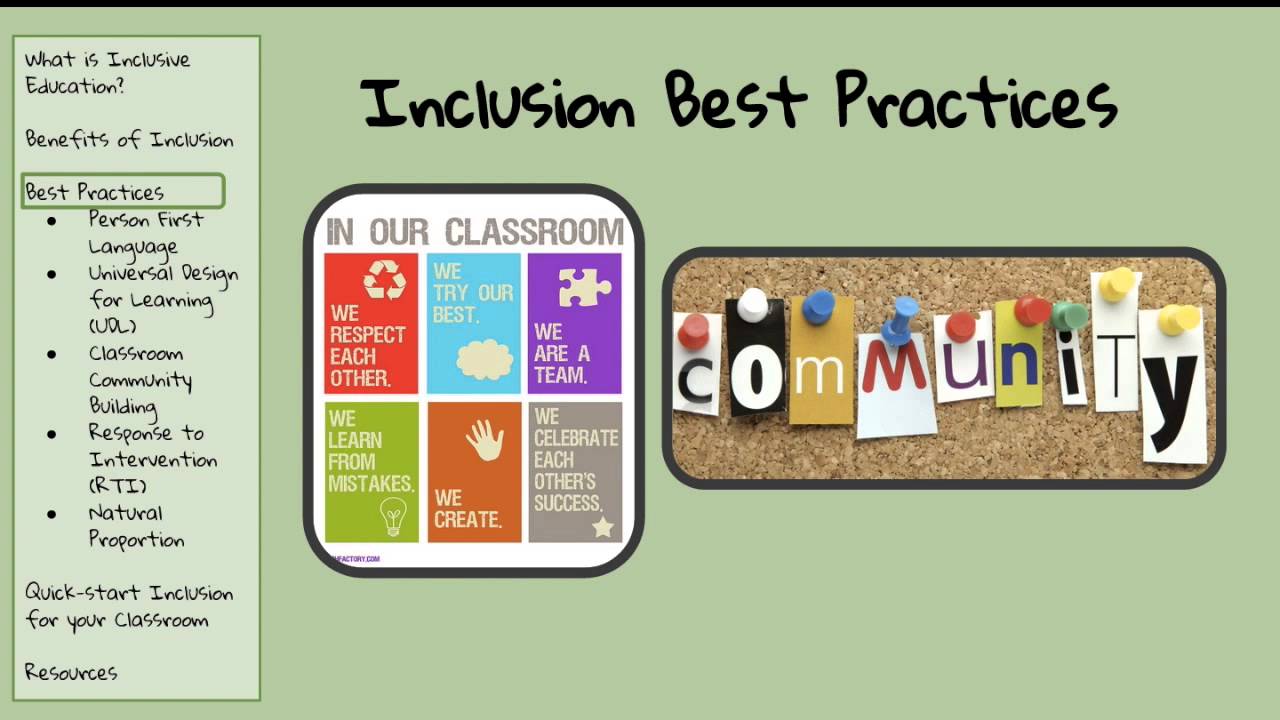
A child’s education is most effective when families and teachers work together toward shared goals. Teachers understand classroom learning, academic expectations, and students’ progress at school, while parents and caregivers bring valuable knowledge about a child’s interests, experiences, strengths, and needs. When both sides communicate respectfully and collaborate consistently, students receive more coordinated support. However, building a strong relationship between… Continue reading How to Build Strong Parent-Teacher Partnerships

Formative Assessment Techniques Every Teacher Should Know

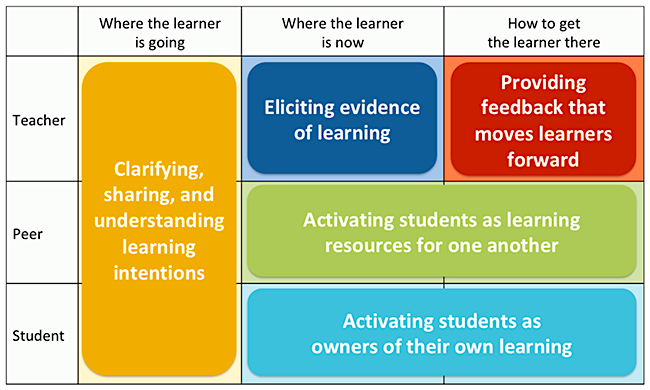
Effective teaching involves more than explaining a lesson and checking students’ final scores. Teachers also need to understand what students are learning while instruction is taking place. Are they following the explanation? Can they apply a new concept independently? Which misunderstandings need attention before the class moves forward? Formative assessment techniques help teachers answer these questions throughout the learning process.… Continue reading Formative Assessment Techniques Every Teacher Should Know

Hands-On STEM Projects for Elementary School Students

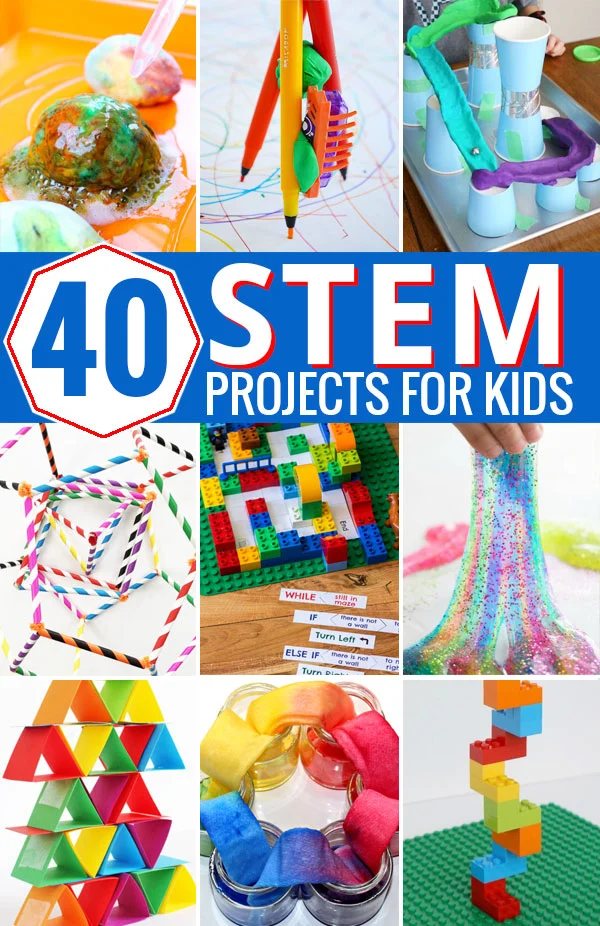
Children are naturally curious about the world around them. They want to know why objects float, how bridges stay upright, what makes plants grow, and how simple machines work. Hands-on science, technology, engineering, and mathematics (STEM) activities turn these questions into opportunities for discovery. Hands-on STEM projects for elementary students encourage children to explore ideas, build models, test predictions, solve… Continue reading Hands-On STEM Projects for Elementary School Students

Differentiated Instruction Strategies

Every classroom includes students with different abilities, interests, learning preferences, language backgrounds, and levels of prior knowledge. While some students quickly understand a new concept, others need additional explanations, guided practice, visual examples, or more time to develop confidence. Effective teaching recognizes these differences without lowering expectations or limiting students’ opportunities to learn. Differentiated instruction strategies help teachers respond to… Continue reading Differentiated Instruction Strategies

How to Use Technology Effectively in the Classroom

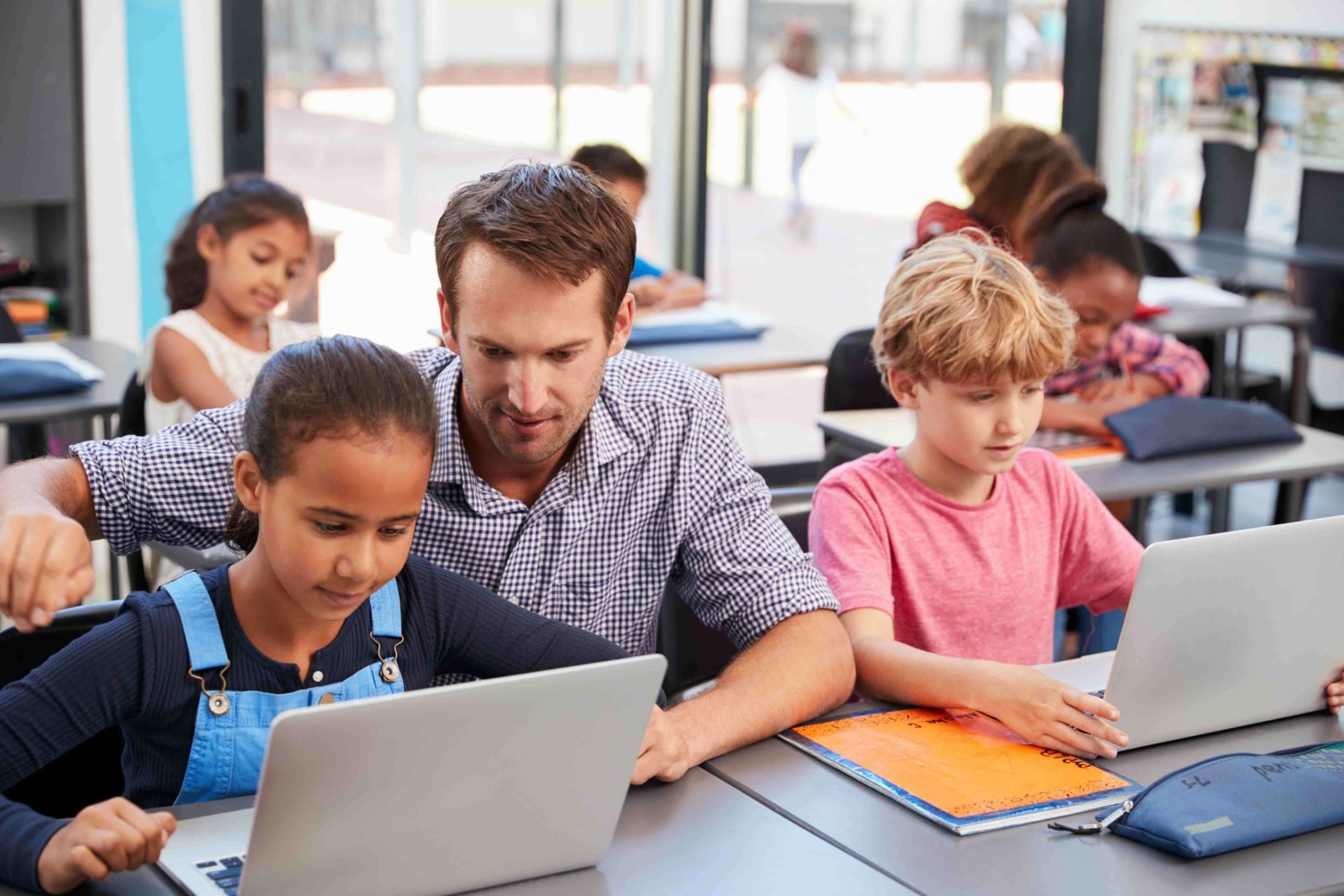
Technology has become an important part of modern education, giving teachers new ways to explain concepts, engage students, provide feedback, and support different learning needs. From interactive presentations and educational videos to digital assessments and collaborative projects, classroom technology can create valuable learning opportunities when it is used with a clear purpose. However, using more technology does not automatically lead… Continue reading How to Use Technology Effectively in the Classroom

Time Management Skills Every Student Should Learn

Introduction Time management is one of the most important skills students can develop to achieve academic success and maintain a healthy balance between schoolwork and personal life. Students often need to manage multiple responsibilities, including attending classes, completing assignments, preparing for examinations, participating in extracurricular activities, and spending time with family and friends. Without proper planning, these responsibilities can become… Continue reading Time Management Skills Every Student Should Learn

Effective Strategies for Teaching Scientific Literacy

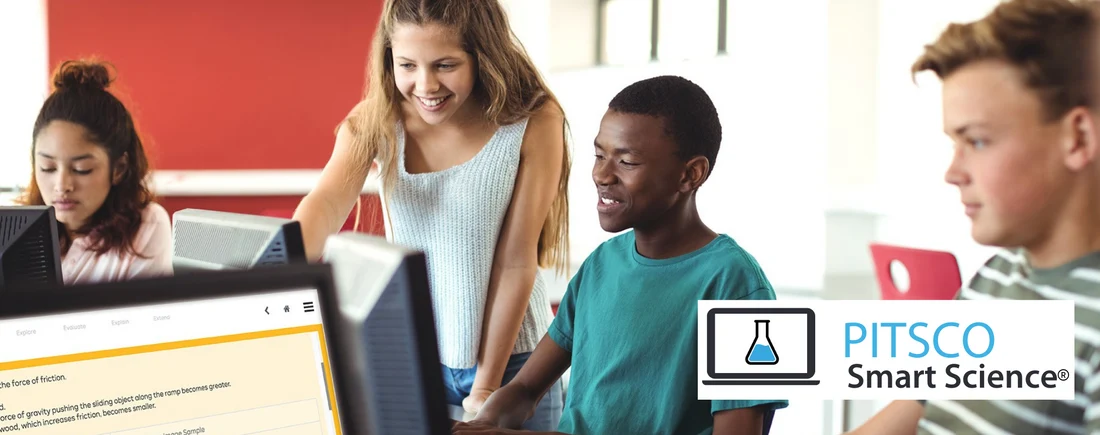
Introduction Scientific literacy is an essential skill that helps students understand the world, evaluate evidence, ask meaningful questions, and make informed decisions. In a world filled with scientific discoveries, technological developments, environmental challenges, and health-related information, students need more than the ability to memorize scientific facts. They must learn how to investigate questions, interpret data, evaluate claims, and apply scientific… Continue reading Effective Strategies for Teaching Scientific Literacy